travel · 3 min read
Ceylon Tea: How a Blight Made the Hill Country
The tea estates that define Sri Lanka's highlands are barely 150 years old, and they exist because a fungus destroyed something else. The story behind the landscape.
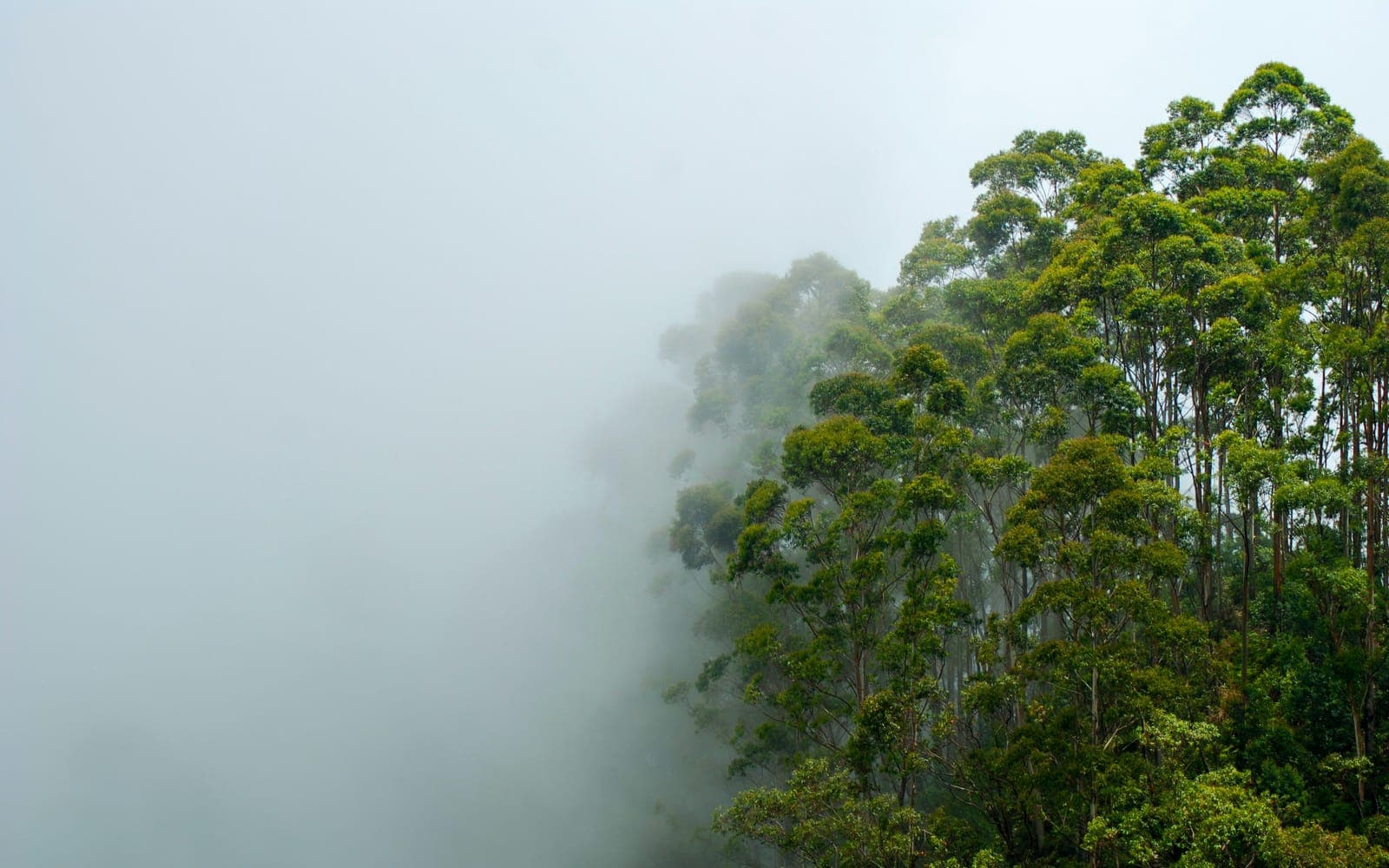
The hill country looks eternal — endless clipped green terraces running over the ridges, women moving through them with sacks on their backs. It is in fact a Victorian industrial landscape, and it is younger than the railway that serves it.
Coffee first
When the British took the highlands in the early 19th century, they cleared the forest for coffee, and for a few decades Ceylon was one of the world's major coffee producers.
Then, in the 1860s and 70s, a fungus arrived: Hemileia vastatrix, coffee leaf rust, still known as coffee blight. It devastated the plantations. Within about a decade the industry was finished, and the planters were ruined or looking for a replacement crop.
Tea instead
James Taylor, a Scottish planter, had begun experimenting with tea at Loolecondera estate near Kandy in 1867 — before the blight had done its worst. When coffee collapsed, his experiment turned out to be the answer, and the hills were replanted in tea with remarkable speed.
Thomas Lipton arrived in the 1890s, bought estates directly and sold the tea under his own name in his own shops, cutting out the middlemen and turning "Ceylon tea" into a mass-market product in Britain. The brand stuck so thoroughly that tea from Sri Lanka is still sold as Ceylon tea more than fifty years after the country changed its name.
The people the industry was built on
Tea is labour-intensive, and the labour did not come from the surrounding villages. The British brought workers from South India, and their descendants — the Up-Country or Indian Tamils — still live and work on the estates, in "line rooms" built for the purpose.
They are a distinct community from the Tamils of the north, with their own history, and for decades after independence many were left stateless — a status that took until relatively recently to resolve fully. Plucking is still overwhelmingly done by women, by hand, because a machine cannot select two leaves and a bud.
It is worth knowing this while you are photographing the terraces. It is a beautiful landscape and it is also somebody's workplace, with a hard history.
Elevation is the whole thing
Sri Lankan tea is graded by the altitude it grows at, and the difference is real:
- Low-grown (below ~600m) — strong, dark, full-bodied. Much of it goes to the Middle East and Russia.
- Mid-grown (~600–1200m) — rich and mellow, the backbone of many blends.
- High-grown (above ~1200m) — the famous ones. Nuwara Eliya is light, brisk and almost floral; Uva, on the eastern slopes, has a distinctive character that comes from dry seasonal winds; Dimbula is full and bright.
The plant is the same. The altitude, the weather and the processing do the rest.
Seeing it properly
- Take the train. The Kandy–Nuwara Eliya–Ella line runs through the middle of the estates, and it is the best possible introduction. Sit by an open door if you can get a spot safely.
- Visit a working factory. Several estates run tours that walk you through withering, rolling, oxidising, firing and grading. Go in the afternoon, when the day's leaf is being processed and the building smells extraordinary.
- Walk. The paths between the fields are public rights of way in practice, and the hills around Ella and Haputale are made for it.
- Buy at the source. Estate factory shops sell single-estate leaf, often at a fraction of what the same tea costs abroad, and they will tell you the grade and elevation.
A note on the grades
Letters like BOP (Broken Orange Pekoe) or FBOPF describe leaf size and appearance, not quality and not flavour — "Orange" has nothing to do with the fruit. A large intact leaf brews more slowly and delicately; a smaller broken grade brews fast and strong. Neither is better; they are for different purposes.